Cheese Heaven Under the Train Track
The train rumbles overhead, shaking the building. The space I'm standing in is vast, its vaulted ceilings soaring high. The air is filled with a faint, salty, and distinctly cheesy scent. Where am I? I'm standing in the legendary ripening caves of Neal's Yard Dairy in London. And I'm in the mood.
Neal's Yard is a cornerstone of the British and international cheese industry. The story begins in 1979, when Nicholas Saunders was frustrated by the lack of decent Greek yogurt in London. So he did what many only dream of: he set up a small dairy shop in Neal's Yard, just off Covent Garden, with Randolph Hodgson. (Yes, the brand's name comes from this alley.)
Initially, the company sold yoghurt, ice cream and a few soft cheeses. But Hodgson's interest in local cheeses led him to tour small farms across Britain, searching for traditional delicacies. Now Neal's Yard Dairy works with over 40 cheesemakers across Britain and Ireland and is known as a passionate advocate for traditional cheeses.
Neal's Yard and the new era of cheese
In the early 1980s, Britain was experiencing a “cheese renaissance.” Neal’s Yard Dairy was a pioneer in this revolution, re-evaluating traditional raw-milk farm cheeses. It supported small-scale producers, developed taste profiles, and offered cheeses a new appreciation – at a time when processed supermarket cheddar was the mainstream. Read more here .
And now I'm where the cheese gets its final touch – the one that separates the good from the great.
Tea, conversation and cheese
I'm met by Caitrin, who is responsible for export cooperation at Neal's Yard Dairy - and with whom we at Rolling Cheese work together weekly - and naturally we sit down for a cup of tea. (We are in England, after all.) We talk for an hour about everything from the microbiome of cheese to the passing on of craftsmanship from generation to generation, to the latest EU regulations. In the world of cheese, learning never stops.
Then we put on a white coat, hairnet and boots. I wash my hands and brush my shoes carefully. Entering the ripening caves is no small feat - it's almost like a ritual.
What happens under the arches of the train tracks?
The arches of Bermondsey in London were originally built to support the railways in the 19th century. They were used as warehouses, blacksmith shops and car repair shops. Today, many of the arches have been repurposed to house small roasteries, bakeries, breweries and cheese cellars – such as Neal's Yard Dairy. Living heritage at its best.

In the depths of the arch
Wooden shelves rise high and are filled with cheese. The air is cool and humid. Caitrin shows us the different rooms and the operations involved in cheese shipments. Then we move on to the maturing rooms, where the young cheeses develop – and where the magic really happens.
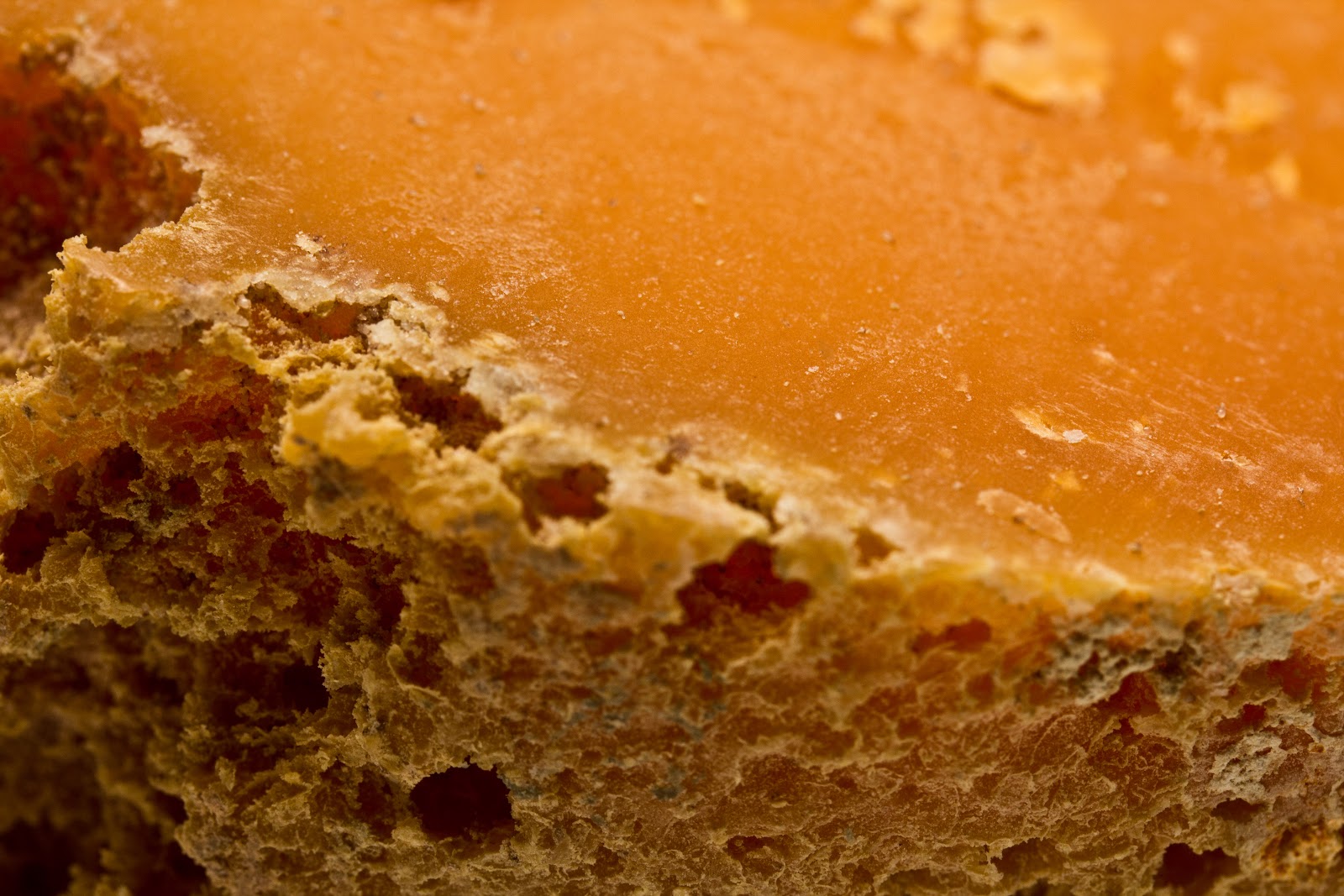
One of my favorites is Riseley, a red-rind putty cheese. I've sold it many times in our shop, but here I see it naked, white, before it has acquired its familiar orange tones. It's like seeing childhood photos of a familiar guy.

Why does the same cheese never taste exactly the same?
Even if the recipe is the same, the cheese is never exactly the same. Seasons, weather, feeding on the day of milking – even the little things make a difference. Caitrin tells us how she writes a detailed description of the taste and texture of each batch. They guide us cheese masters to choose the right cheese for the right customer. It requires trained taste buds and a huge amount of concentration.
A cheese grater reveals what's inside
Back in the middle of the shelves. I recognize familiar favorites: Lincolnshire Poacher, Sparkenhoe Red Leicester, Isle of Mull, Stichelton. Caitrin pulls out a cheese slicer: a metal, cylindrical blade that makes a clean cut through the inside of the cheese. I get to try it. I feel it sink softly into the cheese, then I twist and pull it out. The smell is intoxicating. We taste young versions of familiar cheeses - like meeting an old friend at a different stage in life.
The sample is then pushed back into the cheese to seal the surface so that the cheese can continue to ripen. Not all cheese wheels are tested, but a sample is taken from each batch to monitor progress and ensure quality.
What does a cheese master see with a cheese grater?
A cheese grater takes a small cylindrical sample from inside the cheese without having to cut the entire disc open. The ripener examines the sample for color, consistency, smell, and texture. Has the cheese ripened evenly? Are there any small cracks or unwanted lumps in the structure? Does it smell fresh or disturbingly ammonia-like? The taste is ultimately decisive, but experienced hands can see a lot before the first bite.

The doors close (reluctantly)
After three hours, it’s time to leave the ripening caves behind. My stomach is full of cheese, but my head feels even fuller; from all I’ve learned and experienced. I’ve seen and learned a lot about many different types of cheeses in my work at Rolling Cheese, but this visit opened up a whole new layer of understanding.
The care, time and passion that goes into each wheel of cheese from farm to customer made a big impression on me. I saw with my own eyes how carefully each cheese is monitored, supported and evaluated. It is meticulous work, but also something deeper - a combination of skill, science and passion.
And now, the next time I look at the familiar cheese on our counter, I'll see it with a little different eyes. A little warmer, a little more respectful. I feel quite lucky!
_______

Saga started working at Rolling Cheese in February 2025. Before her new career as a cheese merchant in Töölö, Saga worked in administrative positions for the EU in Brussels. She is a dedicated cheese and wine lover, and in her free time she can be found at wineries all over Europe or at a raclette grill with friends. Her favorite cheese (at the moment) is Corsican Brebis Fougere - a soft sheep's milk cheese decorated with ferns. You can find Saga behind the cheese counter at Rolling Cheese almost every day.