Why Is Ash Used in Cheese?
The use of ash in cheesemaking may sound strange, but it is one of the oldest methods of preservation and maturation. As early as the Middle Ages, farmers and monks discovered that cheese covered in wood ash preserved better: it protected the cheese from pests, prevented the surface from drying out too much, and helped neutralize the acidity of the surface. This created a favorable environment for beneficial molds and bacteria, which in turn developed into part of the cheese's flavor and texture.
Ash was traditionally made by burning vines, straw or deciduous trees. In some cases, the ash was mixed with salt, making it an even more effective preservative. Today, ash is produced specifically for food use - it is a purified, odorless and tasteless plant-based ash, the main function of which is to support the ripening of cheese and give it its characteristic appearance. 
The use of ash in cheese dates back to the Middle Ages. Today, the ash is edible vegetable ash. PHOTO: Norton & Yarrow Cheese
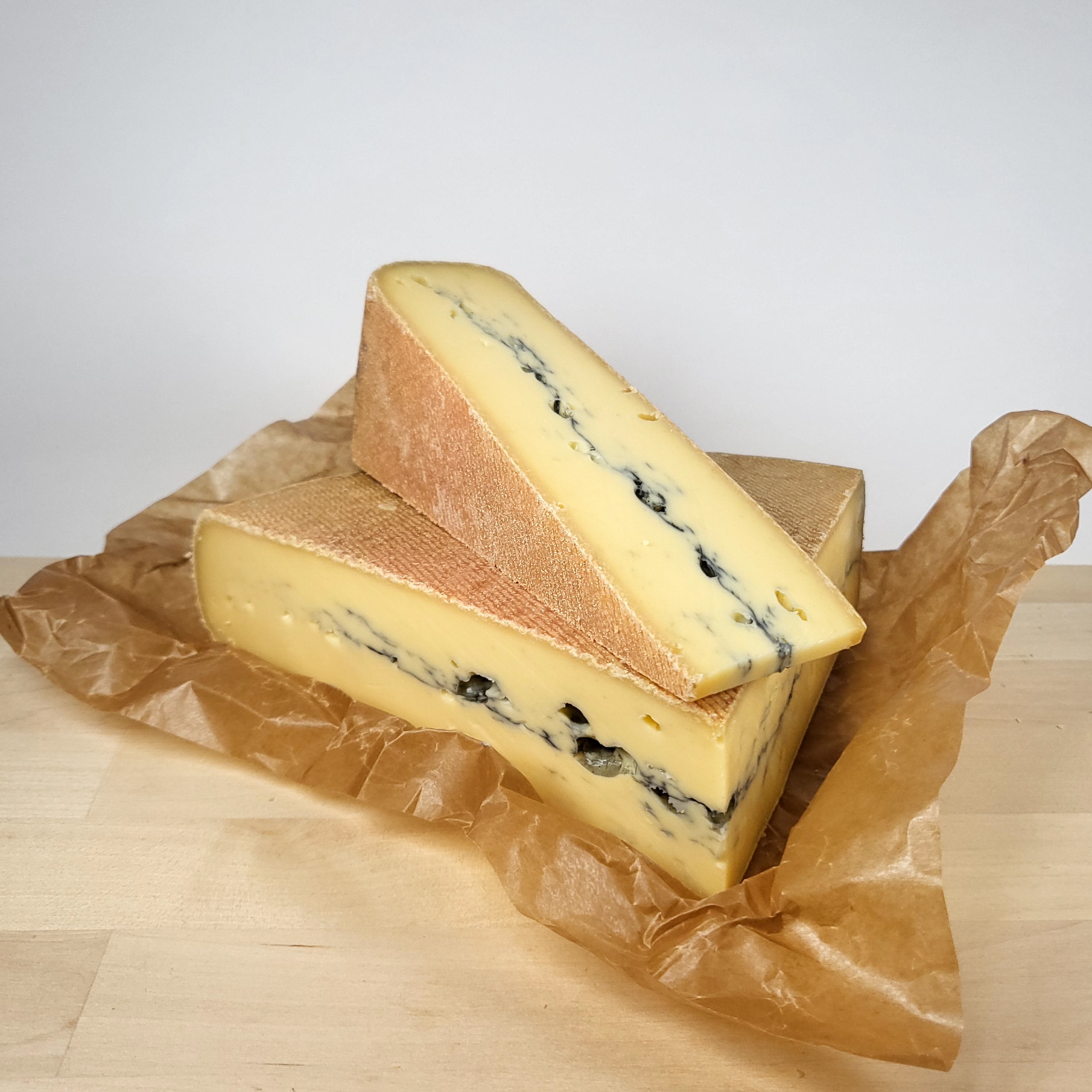
Morbier: ash streak between two milks
One of the most famous cheeses that uses ash is Morbier from the Franche-Comté region of France. The grey stripe running down its middle was born out of practical necessity: the cheese made from the milk of the morning milking was covered with a thin layer of ash to preserve it until a layer made from the milk of the evening milking could be added on top. This created a layered cheese, with the ash acting as a separator and protector. Today, Morbier is most often made from a single milk, but the ash stripe remains its hallmark and a reminder of a bygone era.

Morbier's famous ash streak is a remnant of the original, two-stage manufacturing process
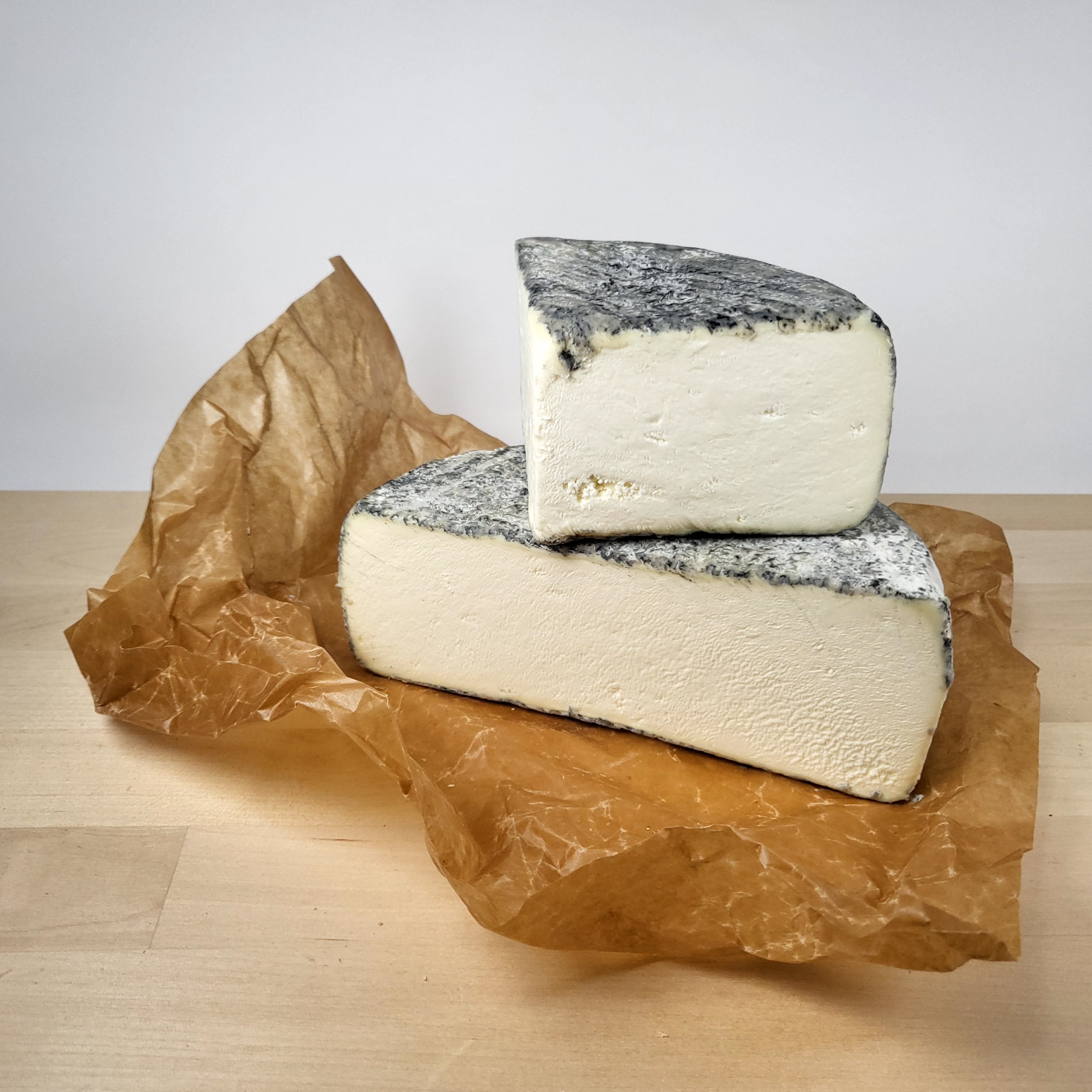
Ovalie Cendrée: ash highlights elegance
Another example is Ovalie Cendrée , a soft goat’s milk cheese from France. Its greyish, velvety surface is created by a combination of ash and white mold. In this case, the ash not only protects the cheese but also helps the white mold grow evenly. The end result is a cheese with a refined taste and an eye-catching appearance – the ash seems to frame it. Ovalie Cendrée is a good example of how ash is now also used for aesthetic reasons.

The ash surface of Ovalie Cendrée protects the cheese and helps preserve its juiciness.
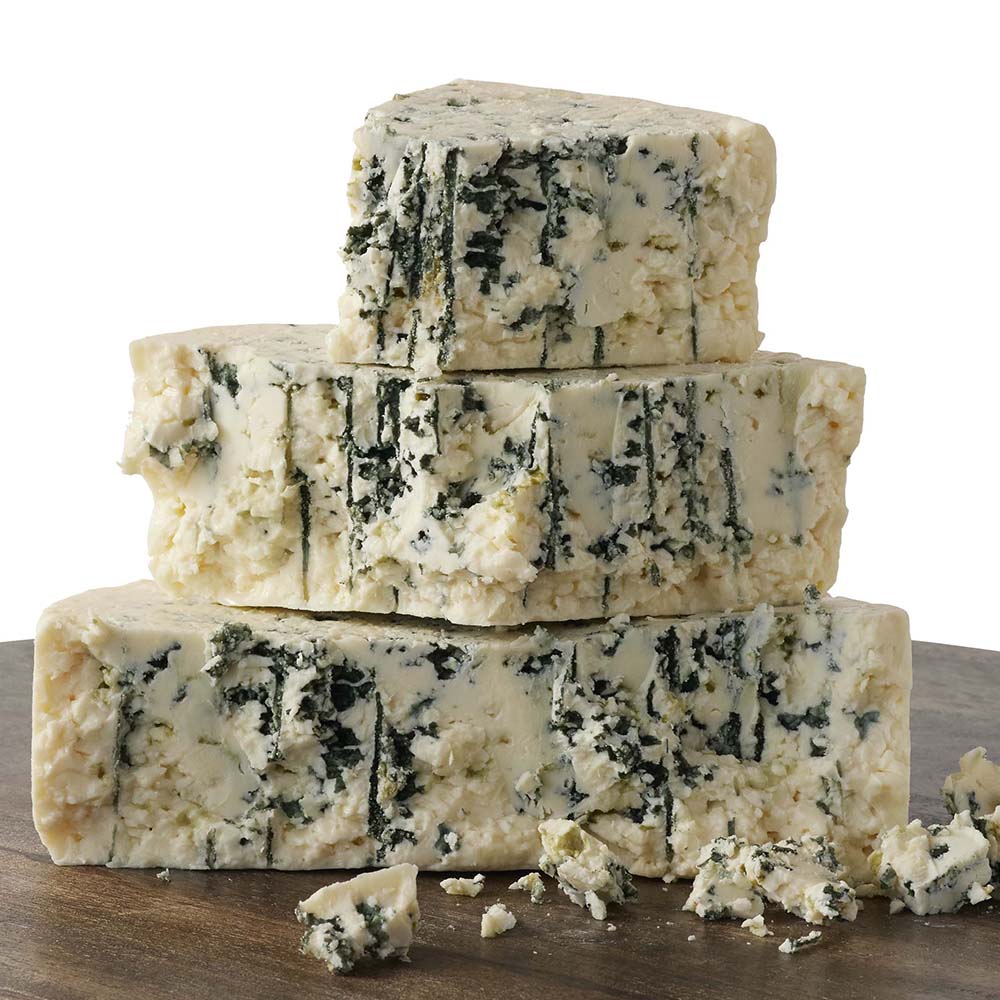
Marble: Finnish interpretation of the use of ash
In Finland, Herkkukujuustola's Marmori is a modern example of the use of ash. It is a cow's milk cheese that has been aged for about three months and has beautiful gray patterns on its surface. Marmori's specialty is its marble-like ash surface, which makes each cheese unique. Marmori shows that the use of ash is not only an old tradition, but also a source of inspiration for new, innovative cheeses.

Delicatessen's "Marmori" cheese has a pattern that looks like ash inside the cheese.
The use of ash in cheesemaking dates back to a time when it was a vital means of preservation and protection. Today, its significance is more aesthetic and technical: ash helps the ripening process, balances acidity and creates a beautiful appearance. Whether it is Morbier, which has preserved centuries of tradition, the elegant Ovalie Cendrée or the Finnish Marmori, ash always tells us a story about the history and skill of cheesemaking.