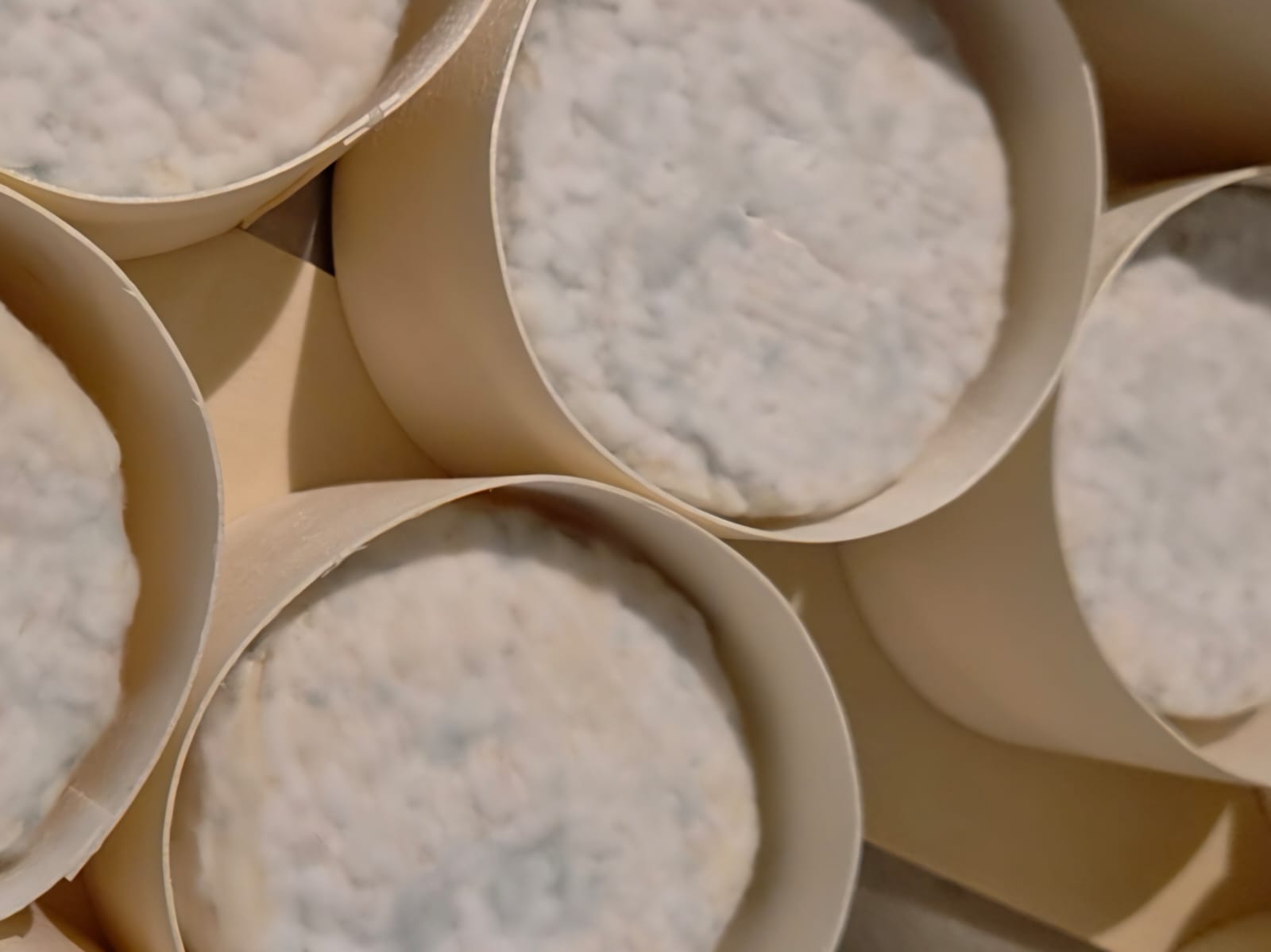
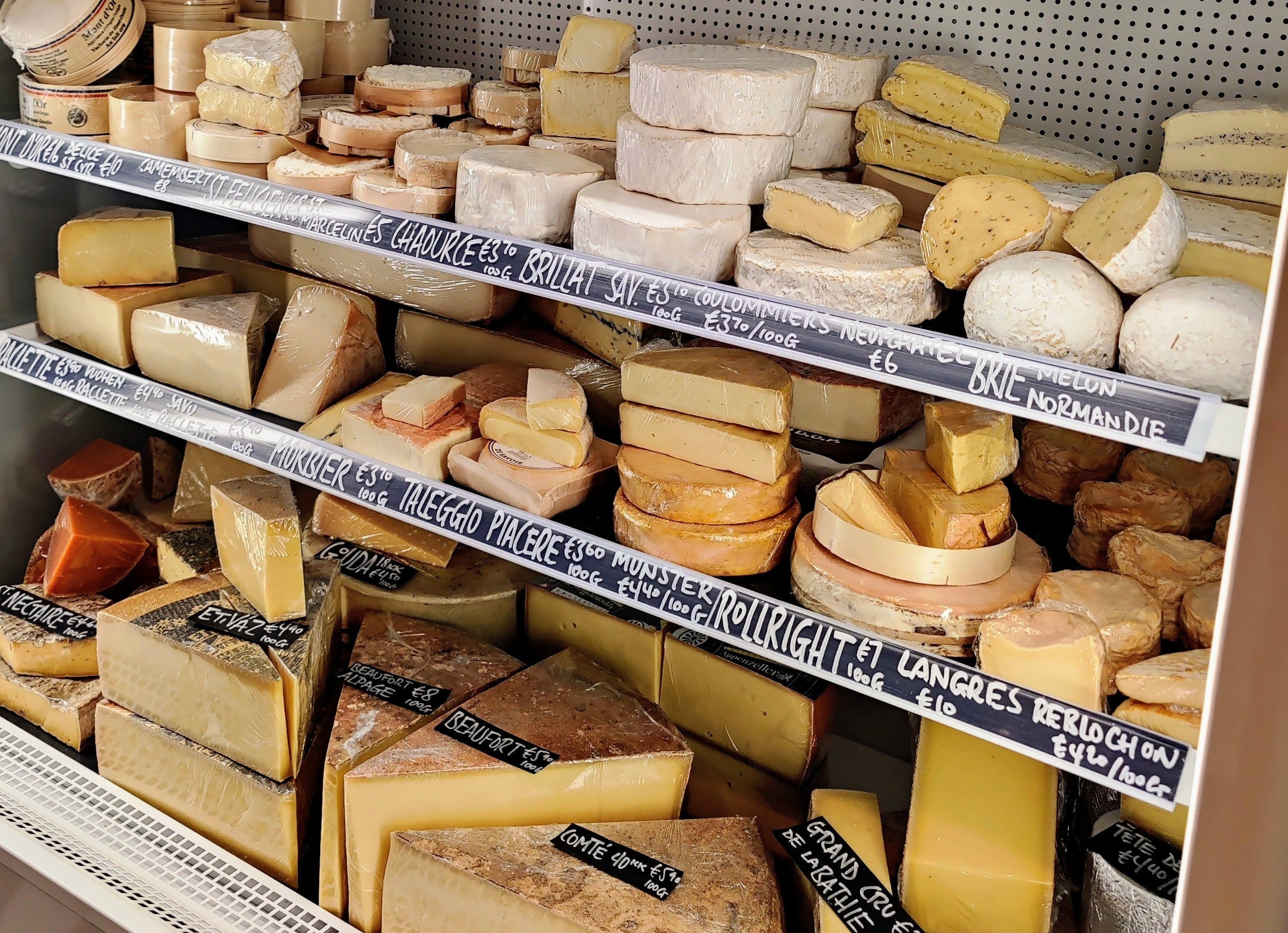
The packaging of the future is made from milk
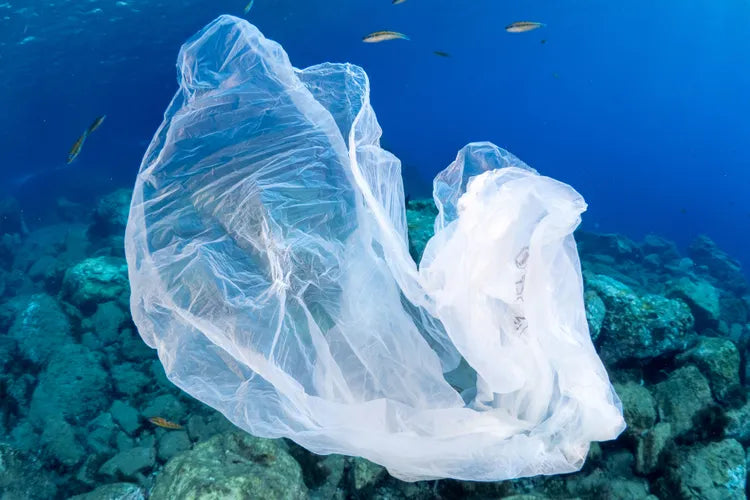
In recent years, microplastics have emerged as one of the most concerning phenomena in our food system. They are found in drinking water, vegetables – and according to research, even in the human body. It is therefore not surprising that attention is now turning specifically to food packaging, which is one of the largest sources of single-use plastic.
One of the most interesting new developments comes from Australia, where researchers are developing a plastic-like packaging material made from milk.
The material is based on casein, the main protein in milk, which has historically also been used in glues and coatings. Now it is being utilized in a new way: combined with other natural materials, it can be made into a flexible, durable film that functions practically like plastic.
The most significant difference, however, is found at the end of its life cycle. While traditional plastic remains in the environment for decades – or even centuries – this new material begins to decompose almost immediately and can disappear completely within a few weeks or months.
The idea is simple but radical: packaging that does its job well but doesn't remain a problem afterward.
Although the technology is still under development, its potential is obvious. Most single-use plastic is related to food and its packaging, so alternatives in this sector can have a significant impact. Researchers also believe that the material could be cost-competitive in the future.
From the perspective of cheese, the idea is particularly interesting. A milk-based packaging material brings with it an almost poetic cycle: the same raw material that ends up as cheese could, in the future, protect it on its journey from farm to table.
It is still too early to say when – or in what form – such packaging will be widely used. But the direction is clear: food is no longer just considered a product, but also a system where packaging is as important as the product itself.
And if all goes well, in the future there will be no plastic or paper around cheese, but something that belongs to the same manufacturing process.