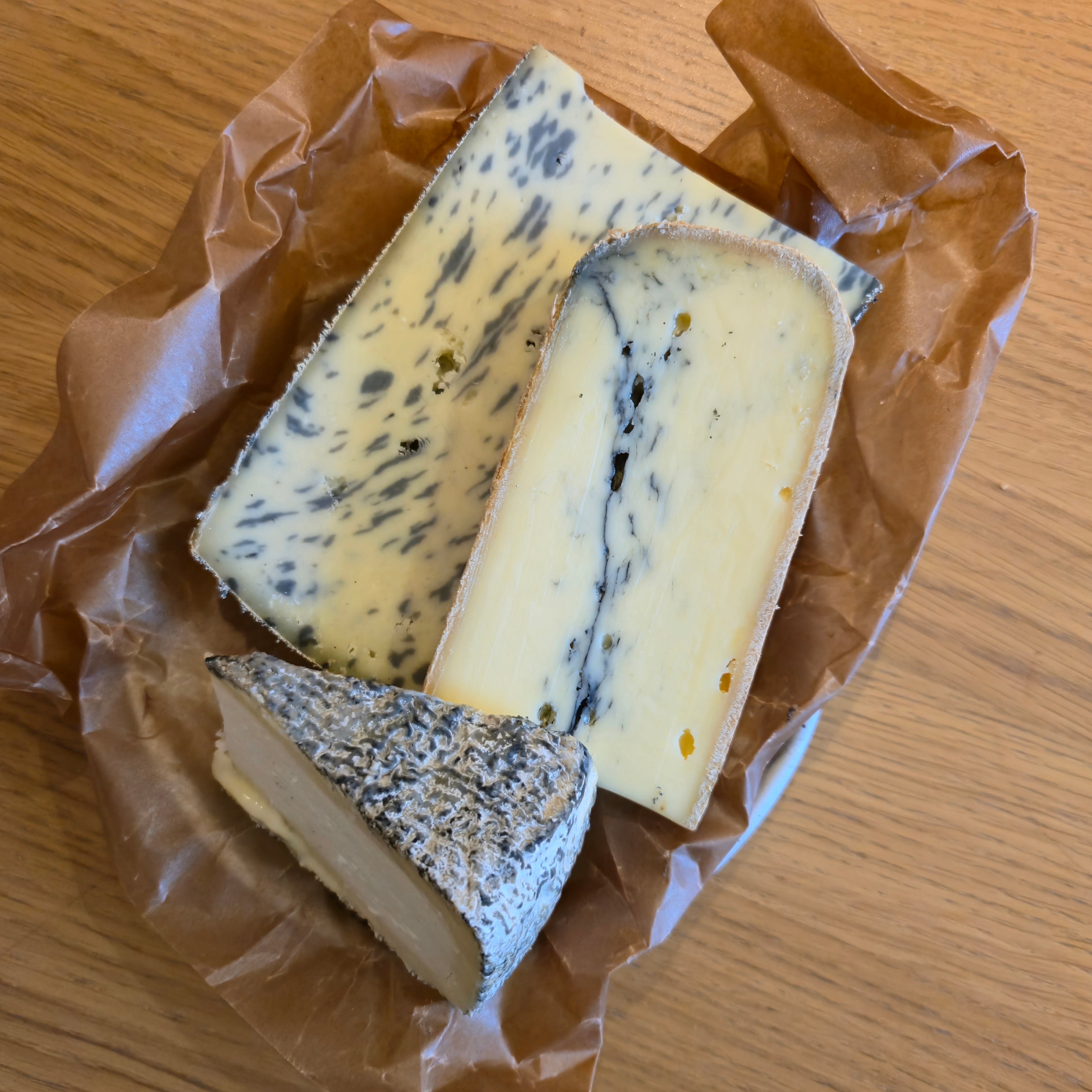
The secrets of blue cheese
Why does blue cheese divide people into two camps? Some swear by it, others shy away from the mere thought. The reason is that blue cheese has everything that people have been looking for in food for millennia: intensity, surprises, and personality.
Luck in an accident: The legend of Roquefort
The story of blue cheese begins in France, in the caves of the village of Roquefort. According to legend, a shepherd forgot his bread and cheese in a cave, returned weeks later to find them covered in mold. He tasted the cheese and, to his amazement, discovered that the cheese was better than ever. Thus, Roquefort was born.
Truth and legend are mixed, but what is certain is that the caves of Roquefort are naturally full of Penicillium roqueforti spores. Thanks to them, the cheese became unique. So valued that as early as 1411, the King of France granted the exclusive right to produce Roquefort in these caves - one of the first food protections in Europe.

Did you know that there are over 300 ripening caves around Roquefort? Each one has its own natural microclimate, where air circulates through cracks in the rock, creating the perfect environment for the Penicillium roqueforti mold.
What makes blue cheese special?
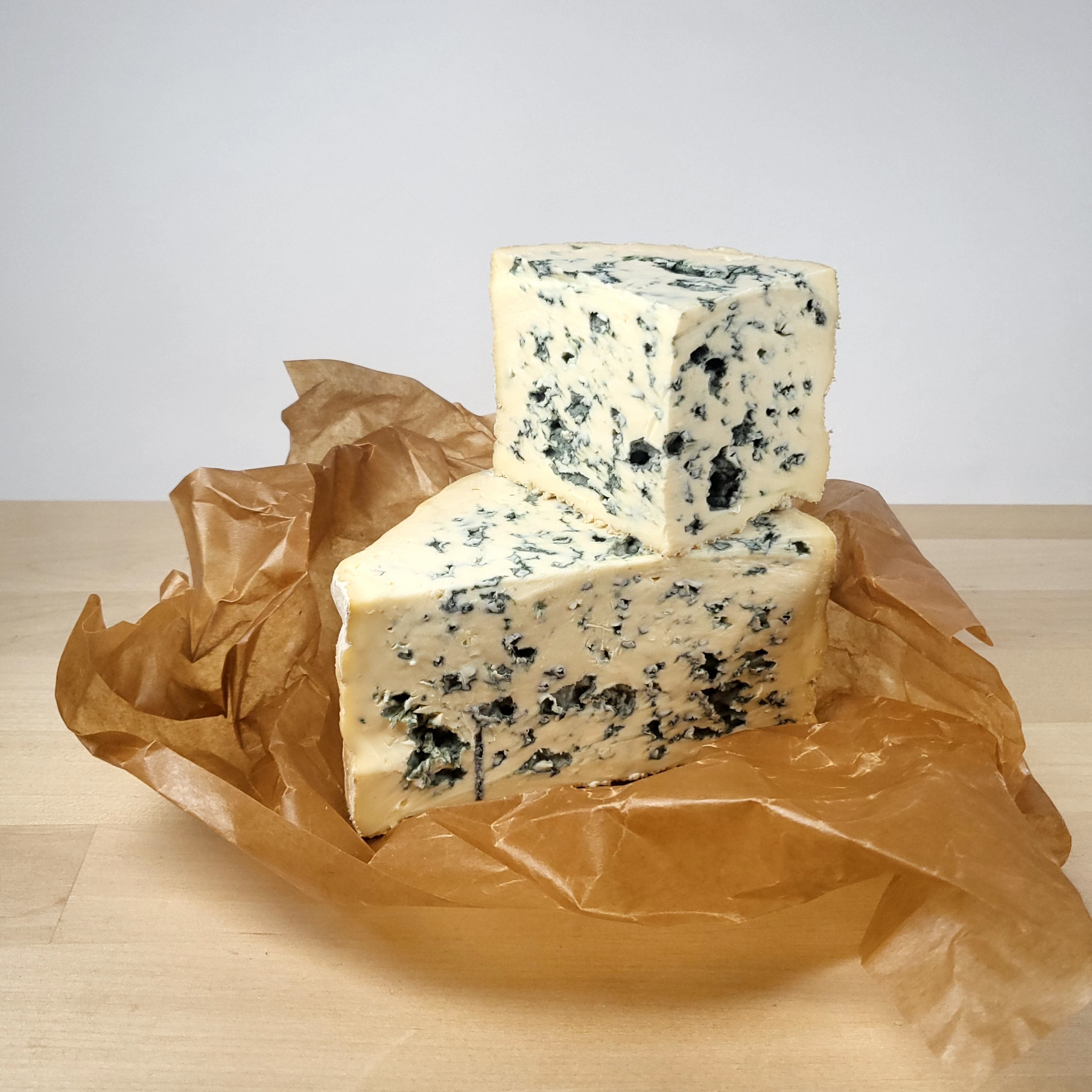
The production of blue cheese differs from other cheeses in a crucial way: the mold is not only on the surface, but its veins run throughout the cheese. This requires a careful process:
- Milk (cow, goat or sheep) is heated and cheese cultures and blue mold are added.
- Rennet coagulates the milk into a mass.
- The cheese is perforated - without the presence of oxygen, the blue veins would not be able to grow.
- Abundant salting helps both with flavor development and mold control.
- Weeks or months of maturation create the final aroma.
The result is a flavor that combines salty, sweet, and umami depth. It is this combination of three elements that makes blue cheese so addictive.

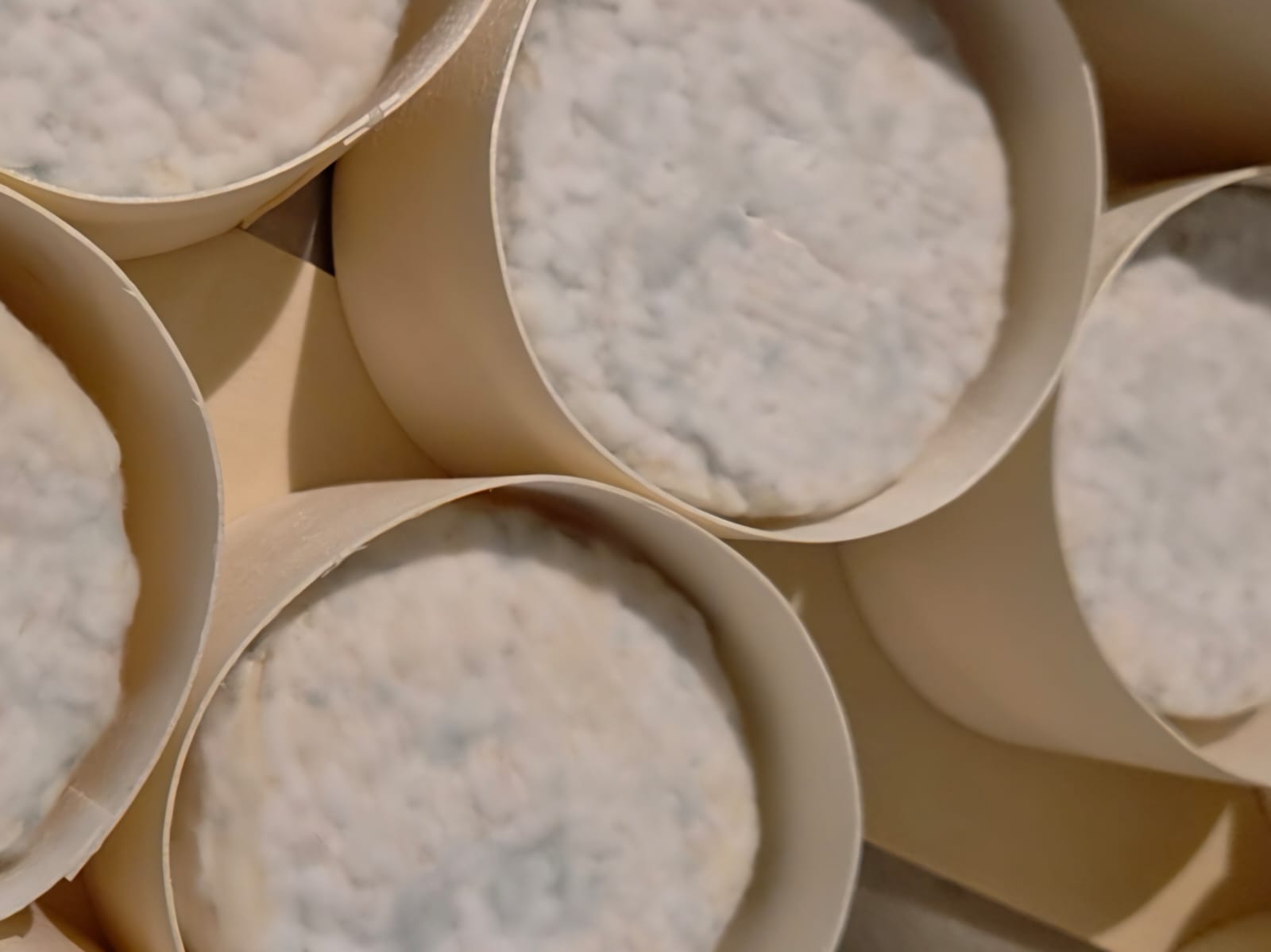
Two types of mold are mainly used for blue cheeses: Penicillium roqueforti and Penicillium glaucum (pictured). The former produces a strong and salty flavor (Roquefort, Stilton), the latter a softer and creamier profile (Gorgonzola Dolce).
European classics and how they differ from each other
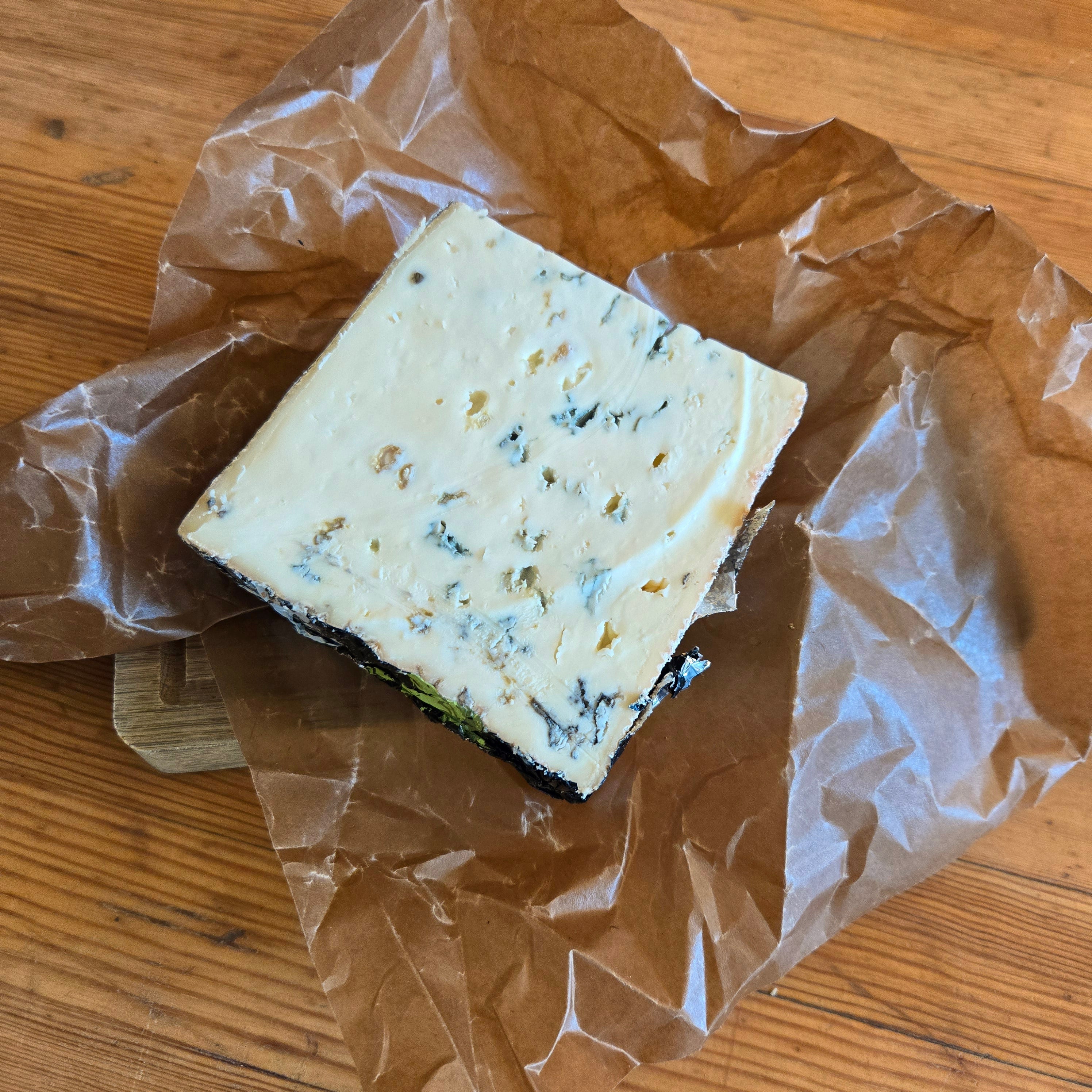
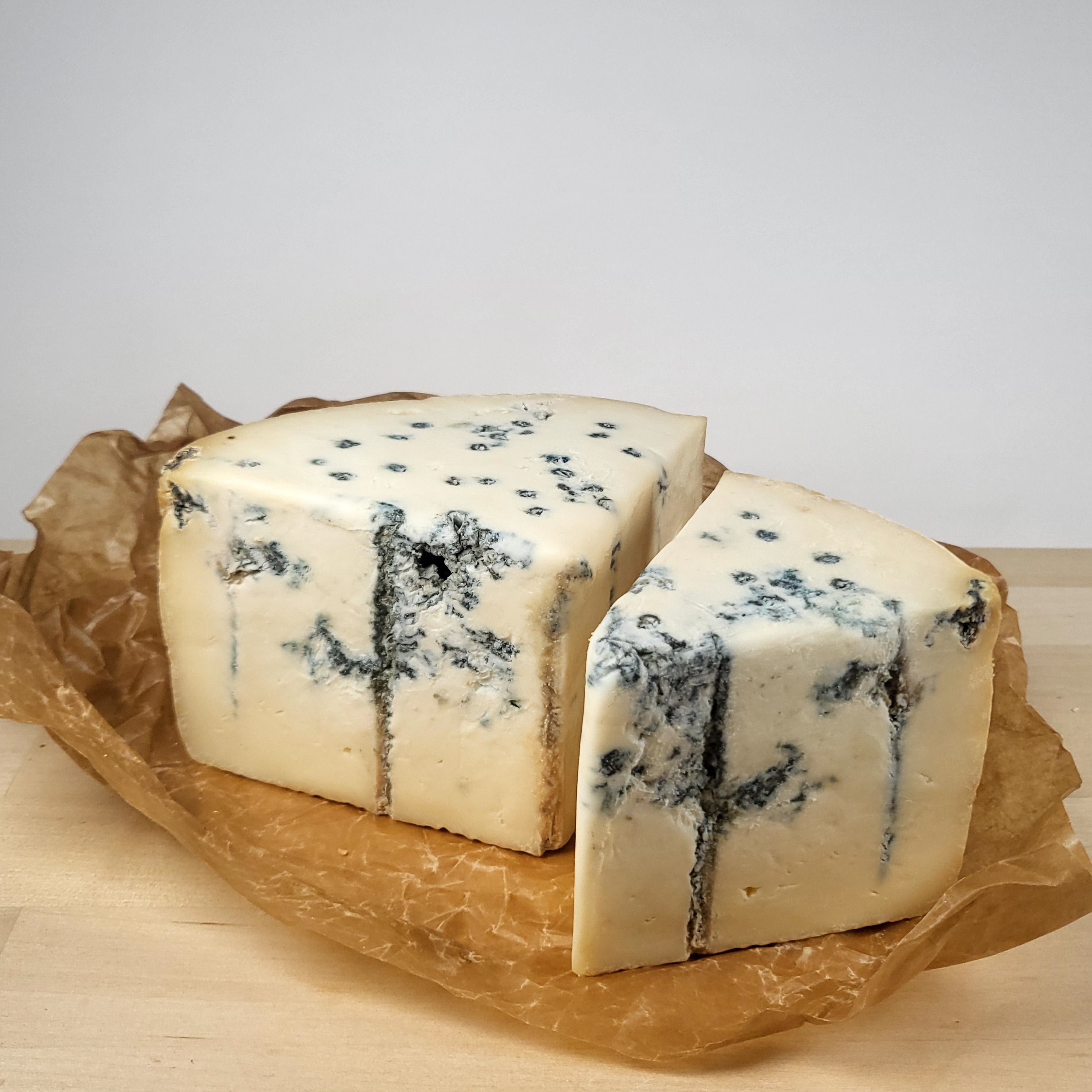
In France, blue cheeses are part of the national identity. Roquefort is still the benchmark against which others are compared: intense, salty and based on sheep's milk. Alongside it, the milder Fourme d'Ambert , known to the Romans, and Bleu des Causses , made from cow's milk, Roquefort's more approachable cousin, were born. Later, the more modern 1924 was also created, combining sheep and cow into one rich whole.

Sheep's milk has more fat and protein than cow's milk, which is why blue cheeses made from it - such as Roquefort and 1924 - taste richer and stronger.
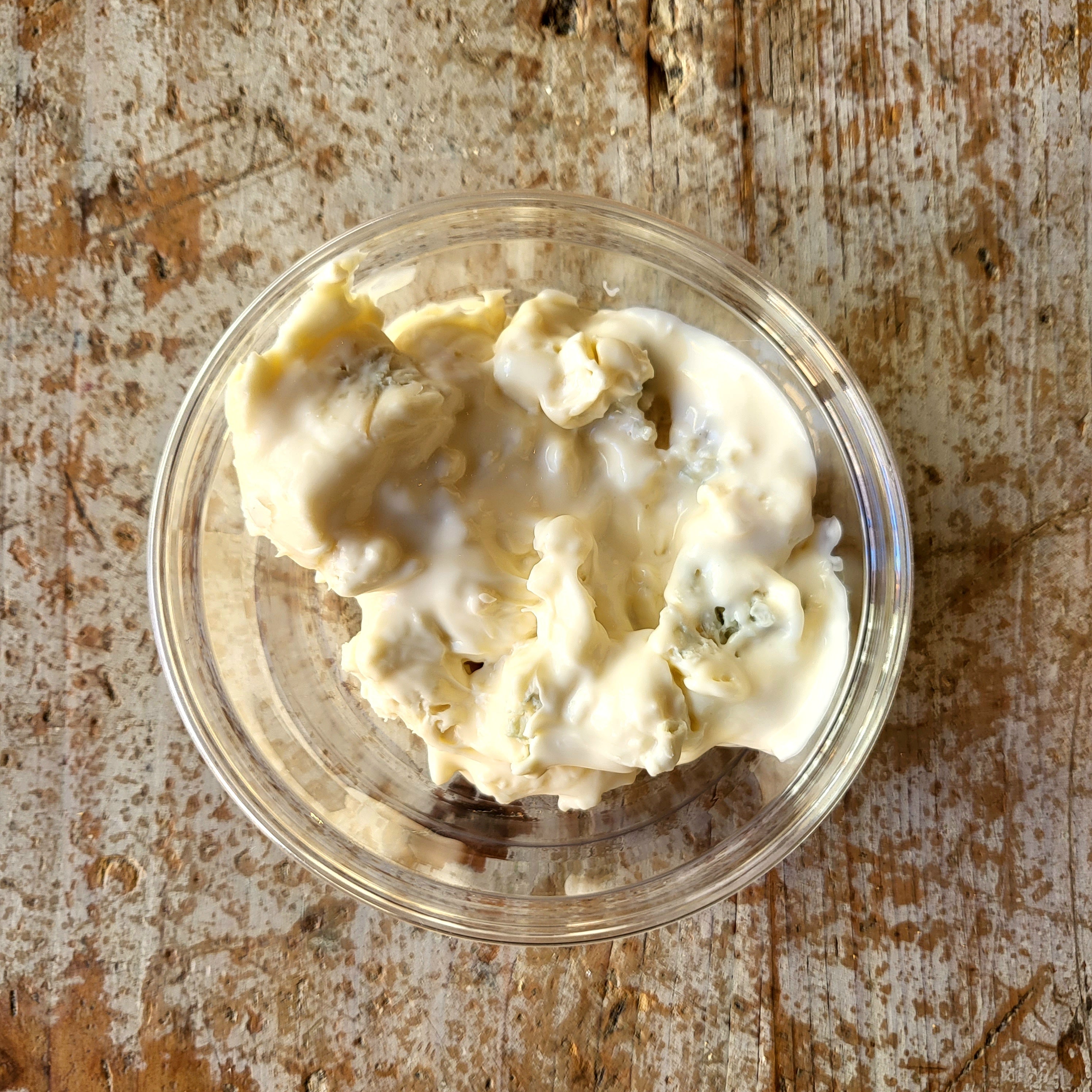
In Italy, the story took on a different tone. Gorgonzola from the Piedmont and Lombardy regions brought a creamy softness to blue cheese. Its two versions, Dolce and Piccante, show how the same cheese can be either honey-soft or sharp. Later, Blu di Capra was also born, where the freshness of goat's milk gives blue cheese a new, fruity character.
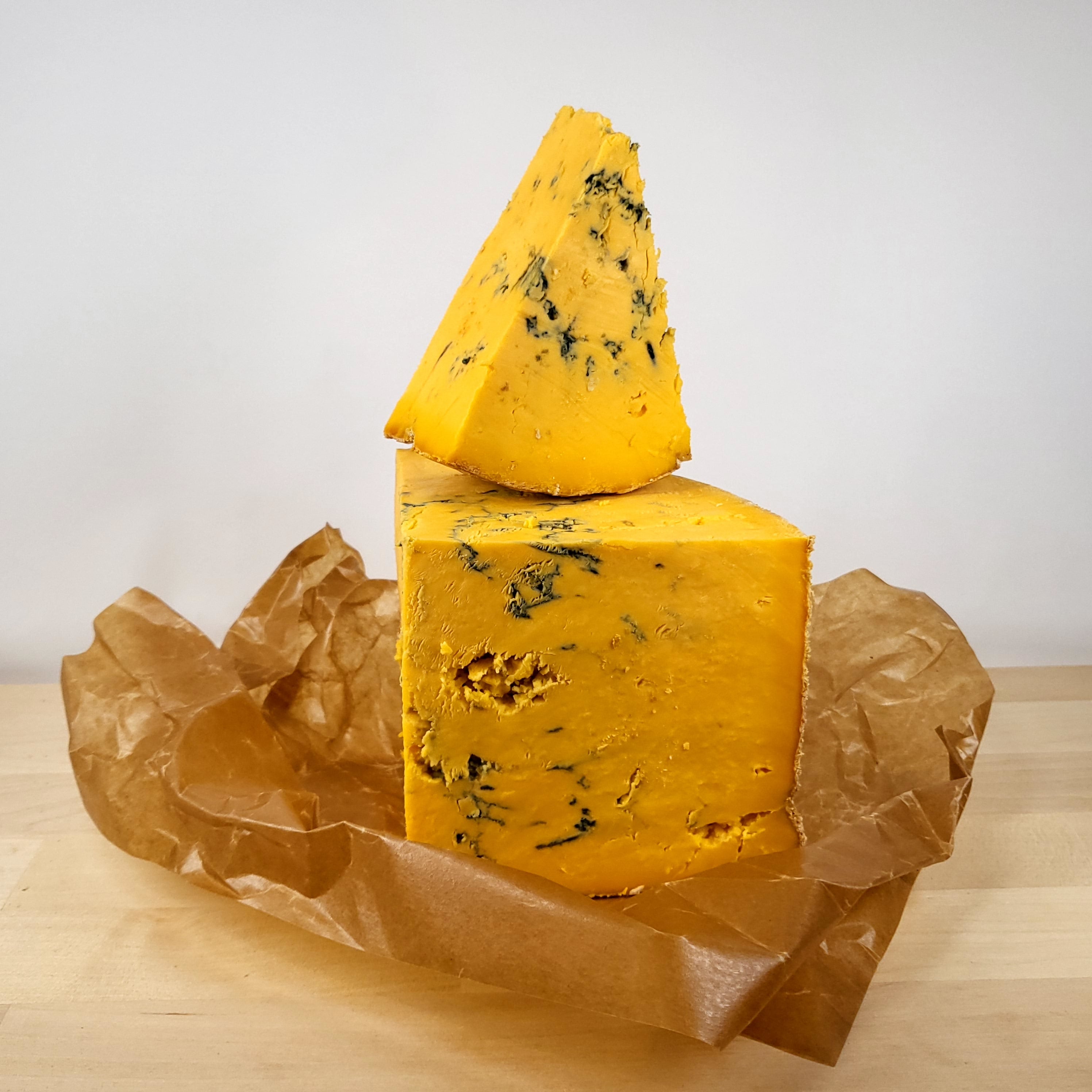
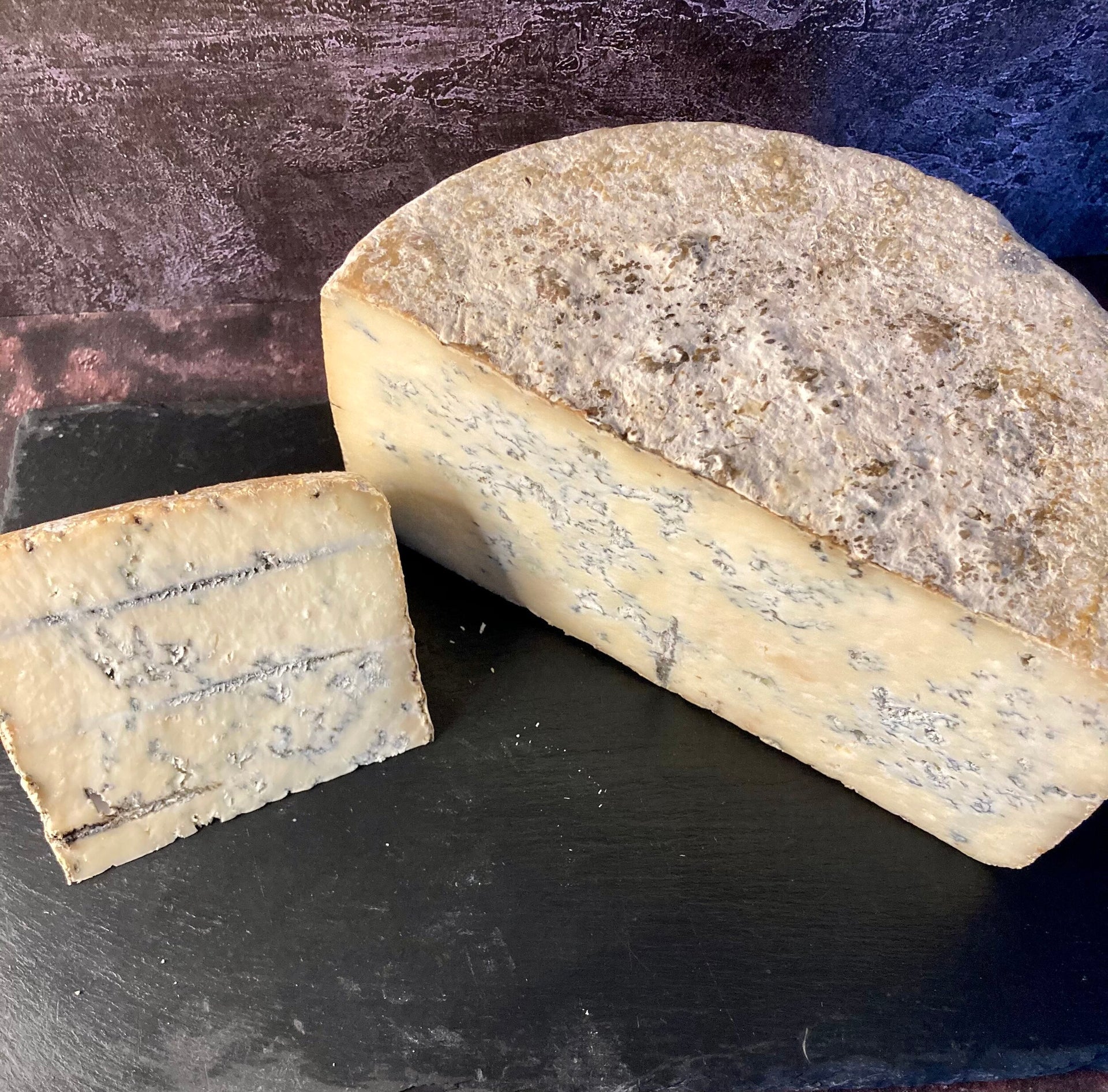
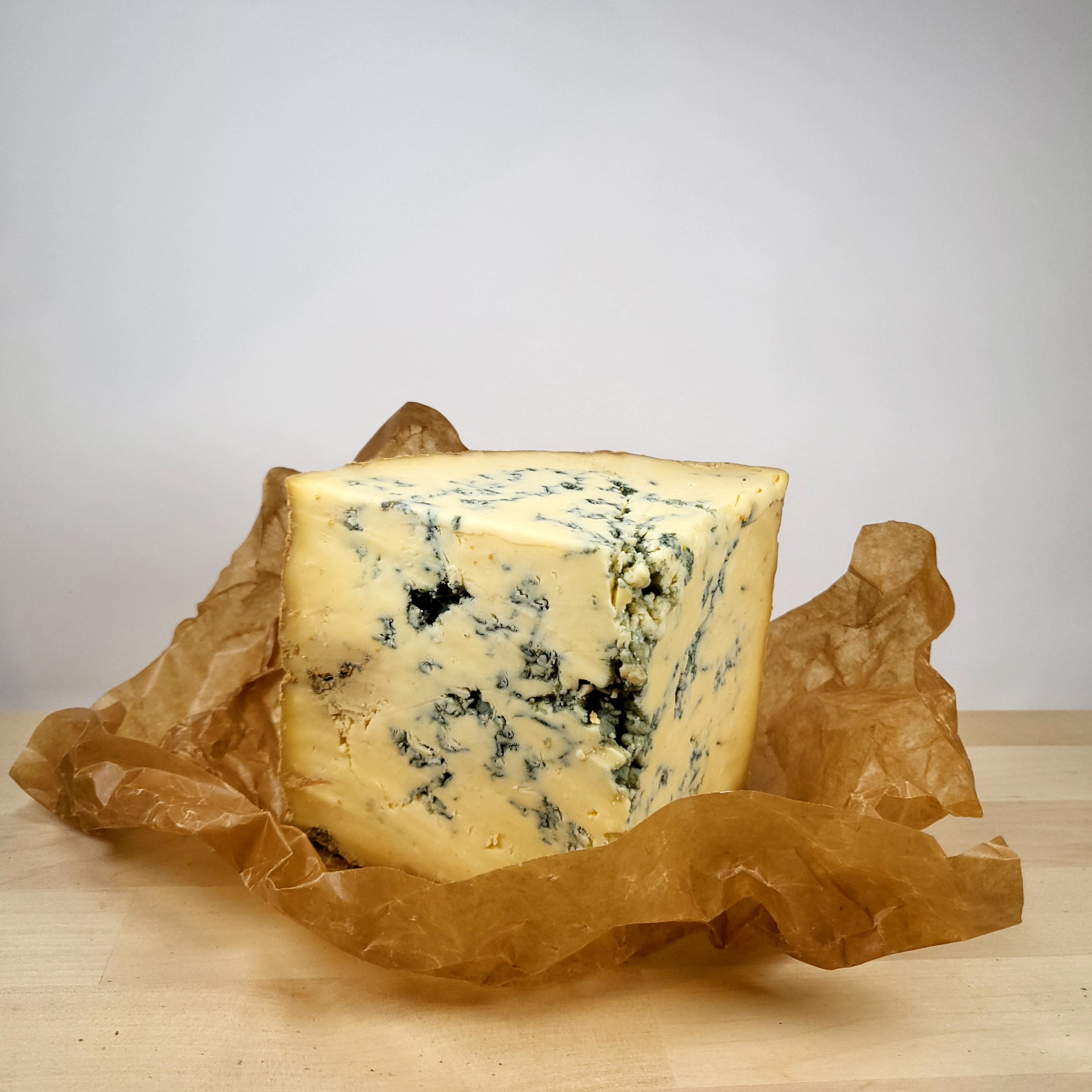
In Britain, a style all its own has emerged. Stilton and its raw-milk "ancestor" Stichelton offer a deep, multi-dimensional flavor that has established itself as one of the world's most famous cheeses. In the 20th century, the more colorful Shropshire Blue entered the picture, combining the Stilton process with the glowing orange of annatto. And the artisanal Brunswick Blue shows that the British blue cheese tradition is still alive and well.

Despite its name, Shropshire Blue was invented in the 1970s in Scotland and later in Nottinghamshire. The name was chosen for marketing reasons - it sounded more traditional.
Why do we love strong flavors?
Humans have always gravitated toward foods that challenge them. Chili, fermented foods, cured meats - all offer flavors that linger in the mind. The same goes for blue cheese.
It's not just a side dish, it's a conversation starter. Gorgonzola Dolce can be gentle and comforting, while Roquefort steps onto the table like a charismatic performer who can't be missed.
And perhaps that's exactly why it's so fascinating. Blue cheese has a character that divides opinions but always leaves a lasting impression.
At Rolling Cheese, blue cheese is part of our philosophy: we don't bring anything mass-produced to our selection, but each cheese has its roots, a story, and a maker. That's why we've selected eight different blue cheeses for our counter; from classics to modern interpretations.
Discover our blue cheeses below orread more on the processing and storage of blue cheeses.